This post may contain affiliate links. Please see our disclosure policy.
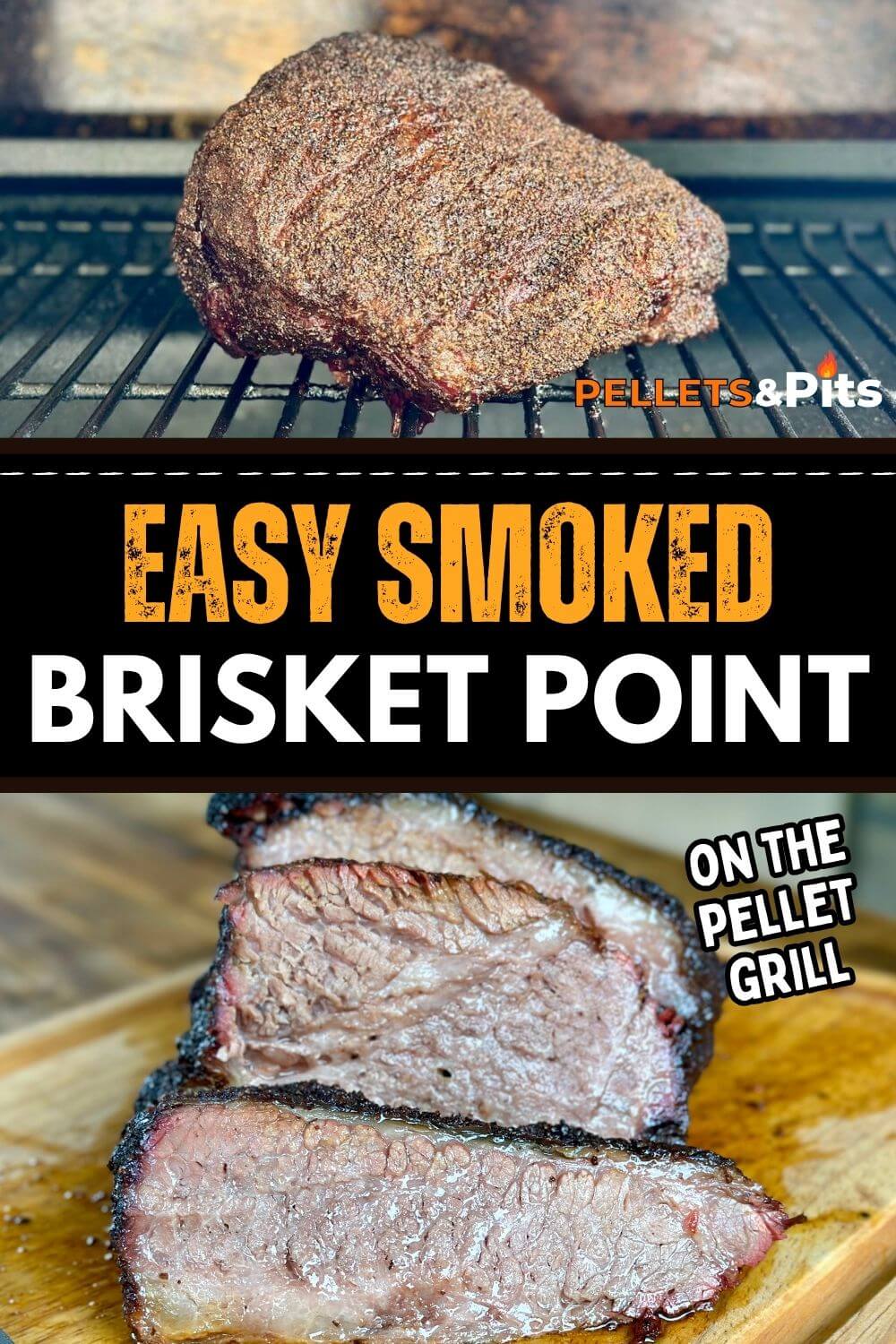
Smoked brisket point is the fattiest, most flavorful cut on the whole brisket – and you only need 2 ingredients to make it. Learn how to smoke a brisket point low and slow on your pellet grill or smoker, plus the best ways to use it: burnt ends, brisket egg rolls, Texas Twinkies, and more.
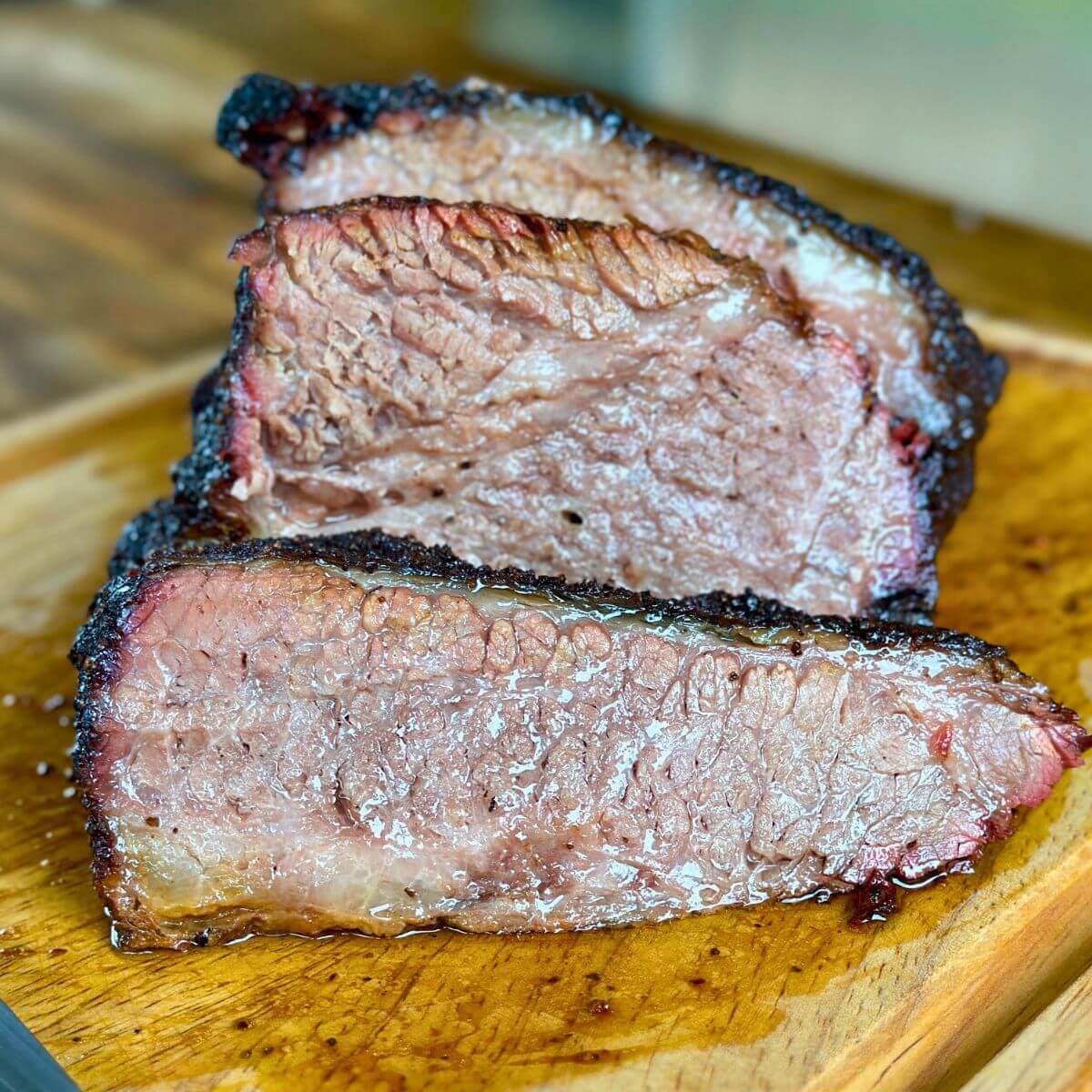
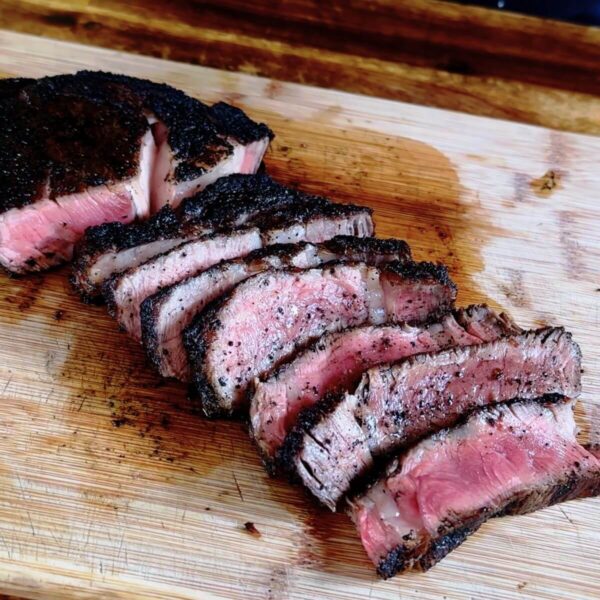
The brisket point is the fattier, more marbled half of a whole packer brisket – and in my opinion, it’s the most flavorful cut of beef you can throw on a smoker.
With just two ingredients and a simple smoking process, you’ll end up with incredibly rich, tender smoked brisket that’s every bit as impressive as a full packer, but a whole lot more manageable.
Whether you eat it straight off the smoker or turn it into brisket burnt ends, brisket egg rolls, or a freezer full of smoked beef for tacos and nachos, this smoked brisket point recipe is one you’ll come back to again and again.
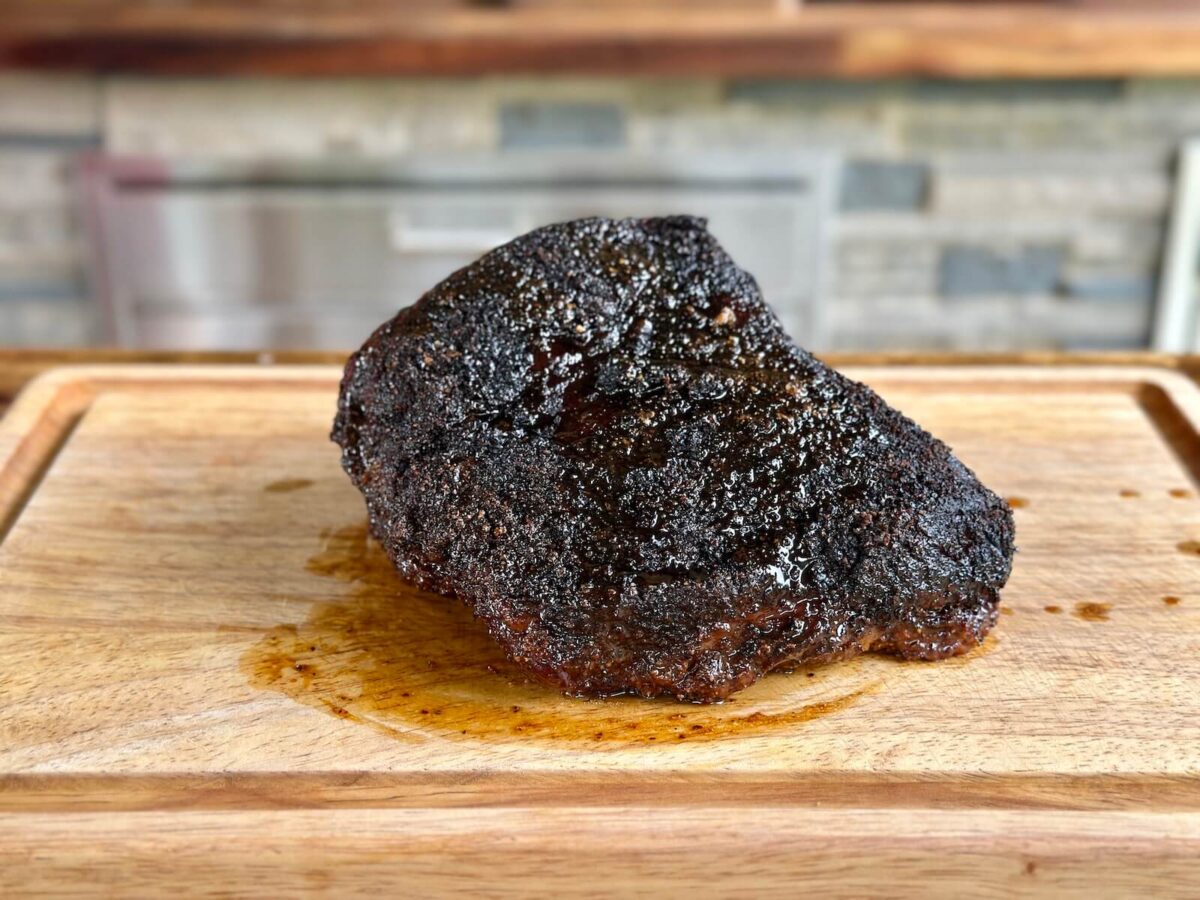
Smoked Brisket Point Ingredients
This simple recipe only takes two ingredients:
- 5-7 lb Brisket Point
Look for a brisket point with good marbling throughout. When purchasing a whole packer brisket and separating the point yourself, choose Choice grade or higher. If you can find Prime grade on sale, even better – that extra intramuscular fat is what makes the point so forgiving and flavorful on the smoker.
A 5-7 lb point is a great size for a manageable cook that still gives you plenty of smoked brisket to work with (and plenty of options for leftovers, which we’ll get to).
- Texas-Style BBQ Rub
This is not the time for a complicated seasoning blend. Texas-style barbecue rub keeps it simple: coarse black pepper, kosher salt, seasoned salt, and garlic powder. The coarse grind on the pepper is key – it creates a beautiful bark on the exterior of the meat and helps the brisket point pick up that smoke flavor during the cook.
Check out our Texas-Style Rub Recipe if you want to make your own, or use your favorite store-bought Texas rub. Either way, season liberally.

What to Do With Smoked Brisket Point
This is where things get really fun. A smoked brisket point gives you options – and a lot of them. Here’s what I love doing with it.
BBQ Brisket Burnt Ends

Burnt ends is the most classic use for a smoked brisket point. Once your point has rested, cut it into 1 to 1.5-inch cubes. Toss those cubes in a disposable foil pan with your favorite barbecue sauce (I like to add a drizzle of honey and a sprinkle of brown sugar too), then return the pan to the smoker at 250°F for another 1–2 hours until the sauce tacks up and the burnt ends get slightly charred and caramelized on the exterior.
The result is sticky, saucy, melt-in-your-mouth bites of smoked beef that are genuinely hard to stop eating. Check out our Smoked Brisket Burnt Ends recipe for the full walkthrough.
Brisket Egg Rolls
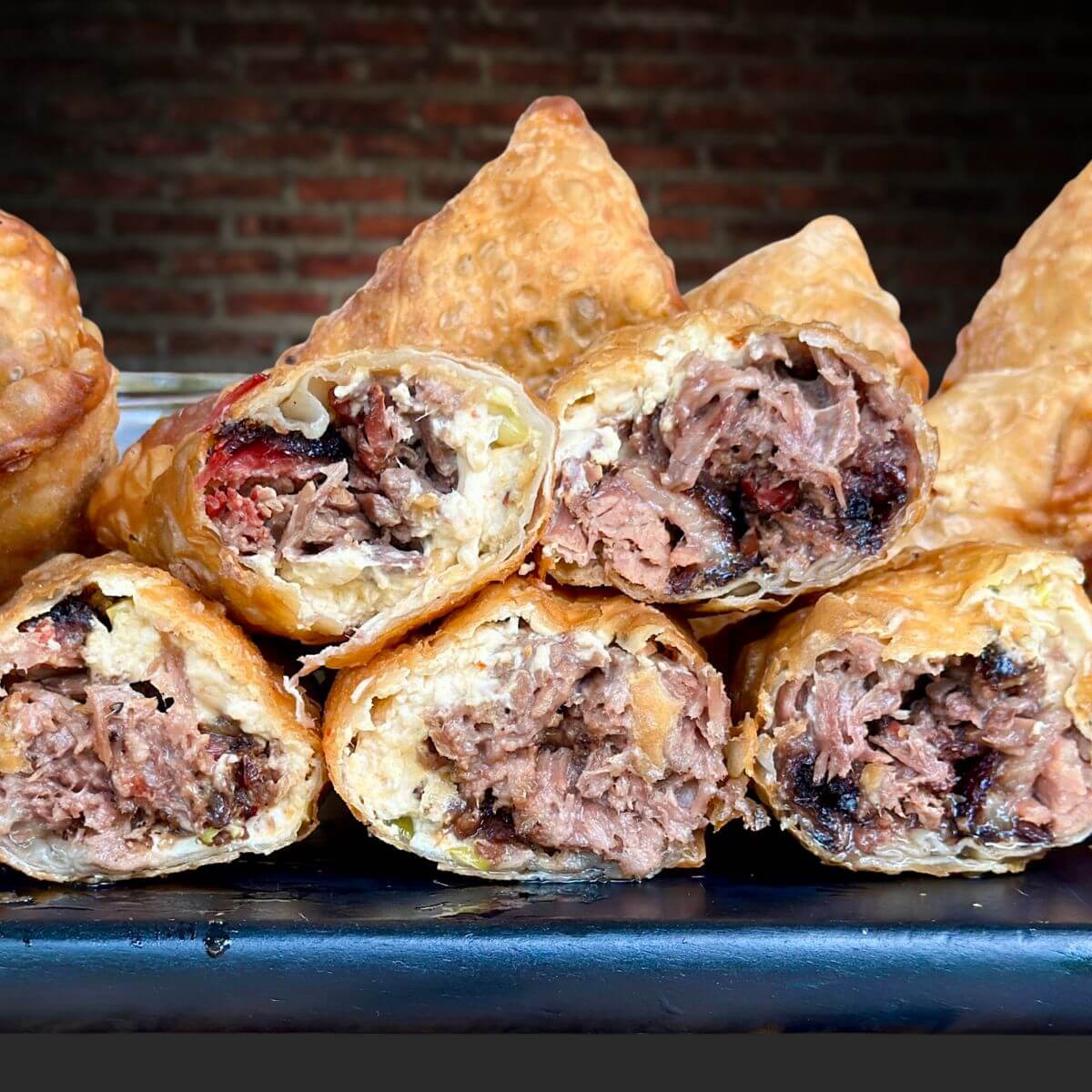
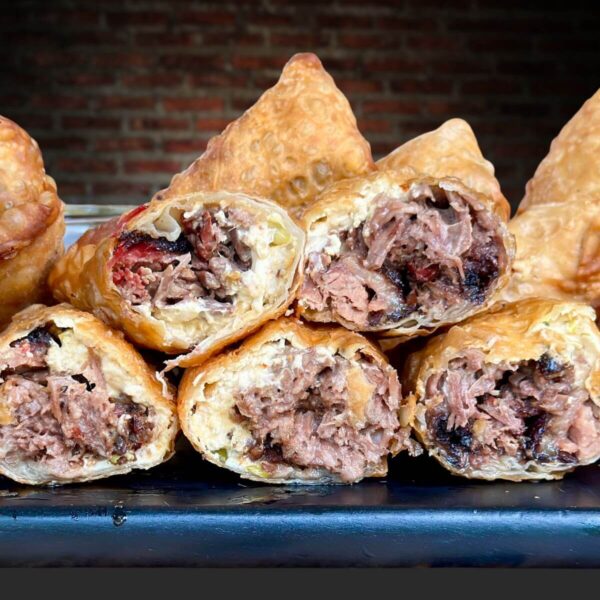
Don’t sleep on this one. Chop or shred your smoked brisket point, and make a simple cream cheese mixture (similar to a rangoon filling). Wrap the cheese and chopped meat in egg roll wrappers and deep fry. Serve with a fusion-style Asian BBQ sauce for dipping. You can get our full brisket egg rolls recipe here.
The contrast of the smoky, tender brisket and creamy cheese blend against that crunchy egg roll wrapper is incredible – these make a killer tailgate snack or party appetizer that will absolutely disappear.
Stuffed Smoked Appetizers
The rich, fatty brisket point is a perfect filling for all kinds of smoked stuffed appetizers:

- Smoked Stuffed Poblano Peppers — Use chopped brisket in place of (or in addition to) the standard cream cheese filling for a heartier, smokier popper.
- Texas Twinkies — Stuff smoked brisket into whole jalapeños, add cream cheese, wrap with bacon, and smoke until the bacon is done and the peppers are soft. These are legendary for a reason.
- Smoked Shotgun Shells — Fill manicotti pasta shells with a mixture of chopped brisket and cream cheese, wrap each shell with bacon, smoke them low and slow, and glaze with barbecue sauce at the end. The pasta softens right inside the shell during the cook.
Freeze It for Later
Here’s the move that serious home pitmasters know well: smoke a brisket point, pull or chop the leftovers, vacuum seal them in portions, and freeze. Then you’ve got smoked beef on demand for weeks. Here are just a few ways to use that frozen chopped brisket point:
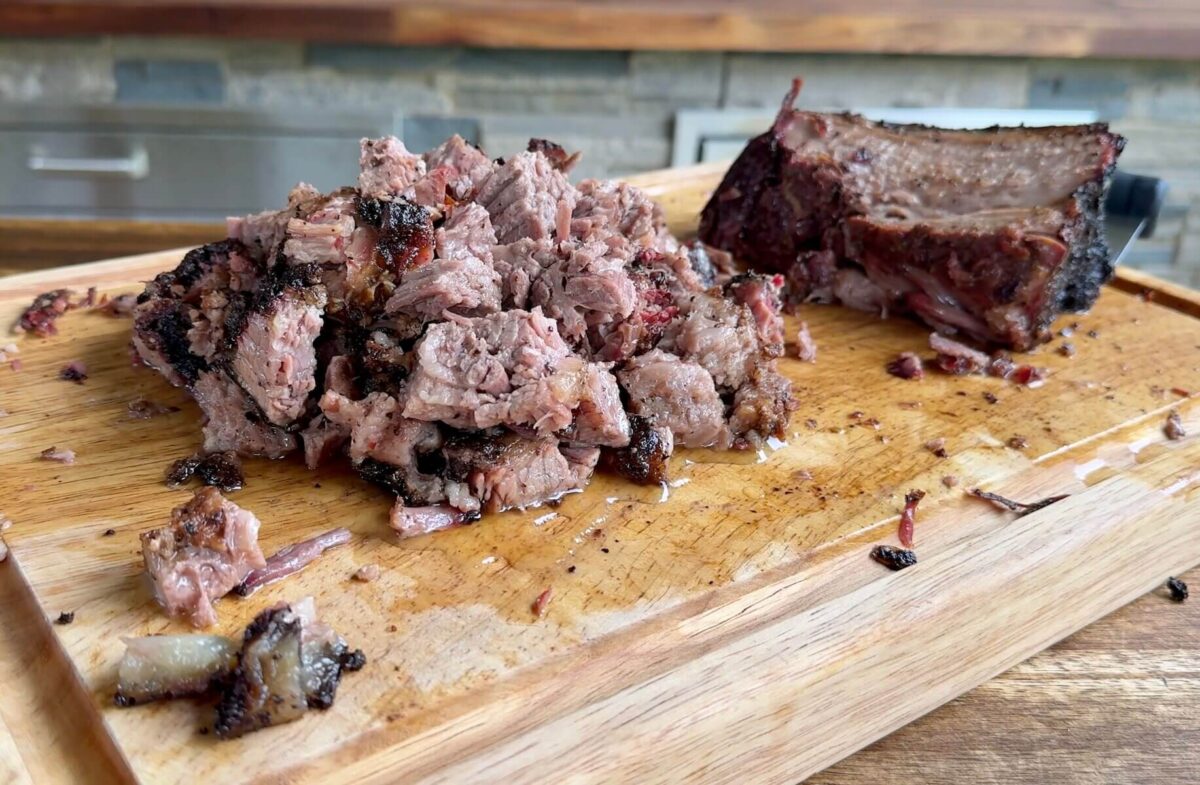
- Brisket chili — Forget ground beef. Chopped smoked brisket in a pot of homemade chili is a game-changer. Try our Brisket Baked Beans while you’re at it.
- Brisket nachos — Layer chips, chopped brisket, shredded cheese, pickled jalapeños, and all your favorite toppings. A sheet pan of brisket nachos is one of the easiest crowd-pleasers on the planet.
- Brisket tacos — Warm your smoked brisket in a skillet with a splash of beef broth, pile it into warm corn tortillas, and top with white onion, cilantro, and a squeeze of lime. Done. Check out our Mexican Chopped Brisket for a spiced-up version.
- Smoked Brisket Queso — Cube up your leftover brisket and add it to a cast iron skillet full of melted white American cheese, pico de gallo, and smoky peppers. Our Smoked Brisket Queso is one of the best ways to use leftover brisket, period.
- Brisket quesadillas, burritos, or loaded baked potatoes — Basically, if it needs a protein, smoked brisket point is the answer.
Frequently Asked Questions
A 5–6 lb brisket point smoked at 250°F will typically take somewhere in the range of 6-8 hours of smoking time. But remember, you’re going by probe tenderness and internal temperature, not just the clock. Every piece of meat is different, and brisket especially can vary depending on fat content, thickness, and your specific smoker.
You should also plan for a resting period of at least one hour minimum. We actually prefer the “long hold”, where we hold our smoked brisket and smoked pork butt (wrapped in butcher paper or aluminum foil) in a countertop toaster oven set to 150°F for 6-8 hours or overnight.
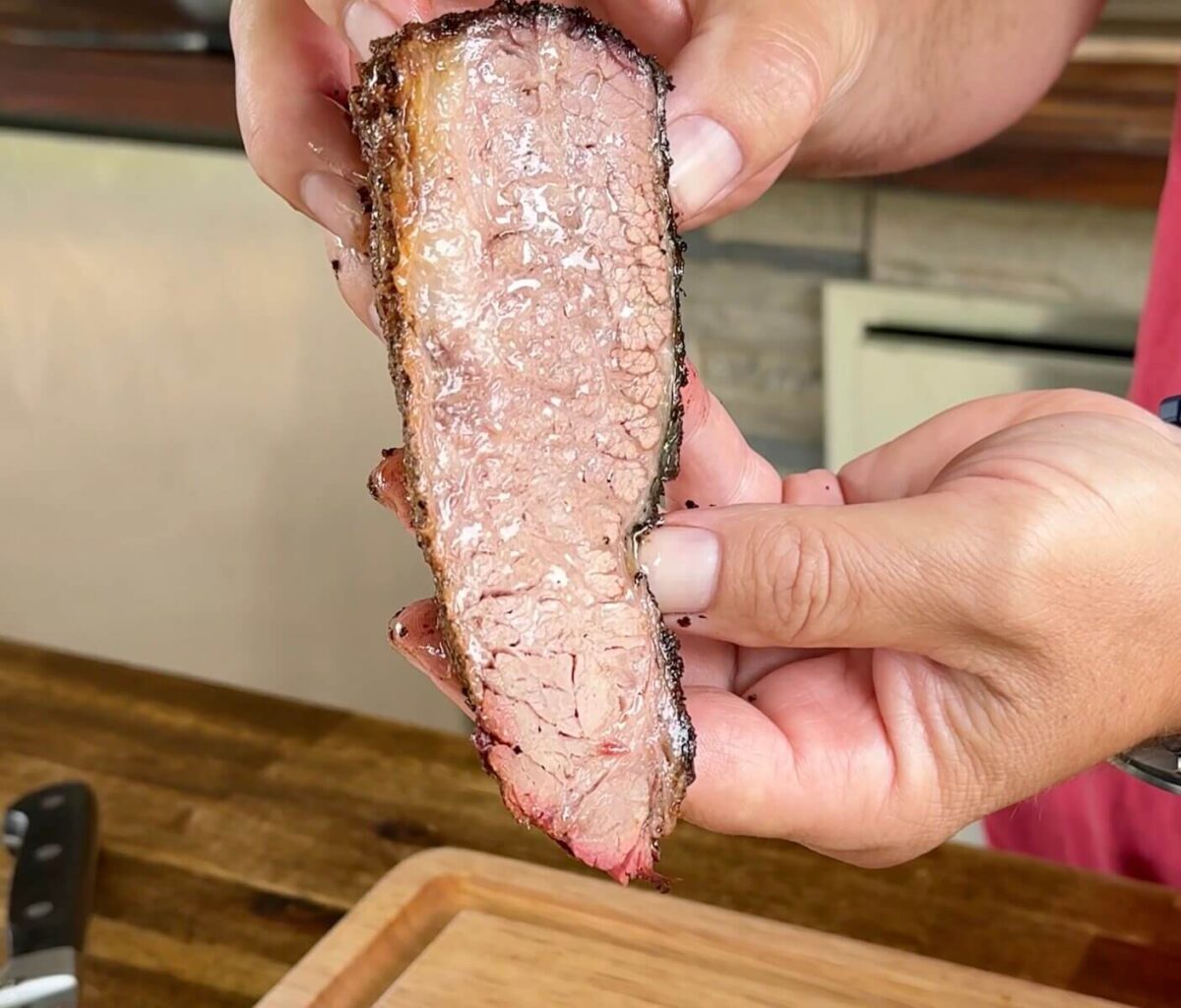
You’re targeting 200–203°F internal temperature, but don’t take the brisket off the smoker just because it hits a number on the thermometer. Use a probe thermometer to test for tenderness. When there’s no resistance going in, it’s done. Some briskets may even be done at a lower temp, like 197-198°F, especially if you’re doing a longer rest period (as mentioned above).
Post oak is the classic Texas choice and what most competition and restaurant pitmasters use for brisket. It produces a medium-strength smoke that complements beef without overpowering it. Hickory is a bolder option that gives you a more pronounced smoke flavor.
We personally use and recommend Smokin’ Pecan pellets for pellet grilling. These pellets are made from 100% pecan shells, which have been proven to produce more smoke flavor than the actual wood. We use them for all types of smoked meats from beef to chicken and pork.
The foil boat method used in this recipe is my preferred way to handle the brisket point. Forming a boat shape around the bottom half of the brisket – rather than fully wrapping it – lets you preserve the bark on the top while still capturing the rendered fat and juices underneath to braise the meat through the stall. If you prefer to fully wrap in foil or butcher paper, that works too. Fully wrapping will produce a softer bark but a very moist finished product.
Smoked Brisket Point
Ingredients
- 5-7 lb brisket point
- Texas-style rub
Instructions
- Preheat your smoker or pellet grill to 250°F with your choice of wood or pellets. Post oak, hickory, or a competition-style blend all work great for beef. *I personally use and recommend Smokin' Pecan pellets made from pecan shells.
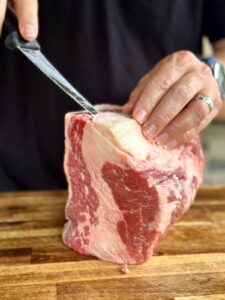
- Trim the brisket point. Use a sharp knife to remove large sections of the hard, waxy exterior fat. You don't need to be as precise as you would with a whole packer brisket – just focus on trimming away any thick, solid fat that won't render during the cook. Leave the softer fat that runs through the middle of the point in place.

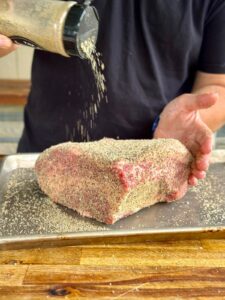
- Season the entire brisket point generously with Texas-style BBQ rub. Cover all sides – top, bottom, and edges.
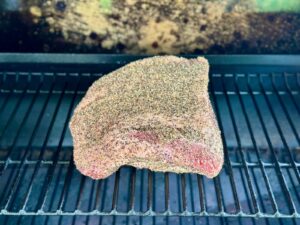
- Place the brisket point directly on the smoker grates. Close the lid, and smoke at 250℉ until the internal temperature reaches approximately 165°F, approximately 4-5 hours depending on the size of your brisket and what grill you have.

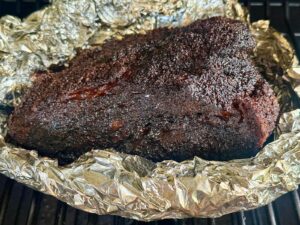
- Remove the brisket point from the smoker and set it on two large sheets of overlapping aluminum foil. Fold and crinkle the sides of the foil up around the bottom half of the brisket, forming a tight boat shape. You're not fully wrapping the brisket – you're creating a foil boat that cradles the bottom of the meat and captures the juices while leaving the top exposed. This keeps the bark intact while helping the brisket power through the stall.
- Return the brisket point to the smoker and continue cooking until it's probe tender. Target an internal temperature of 200–205°F, but temperature is just a guideline – probe tenderness is the real indicator. When a probe thermometer slides into the thickest part of the point with zero resistance, like going into warm butter, it's done. This second phase typically takes another 2–3 hours.
- Rest the brisket point before slicing or chopping. Remove it from the smoker and allow it to rest, still in the foil boat, for about 45 minutes to 1 hour. This step is non-negotiable.
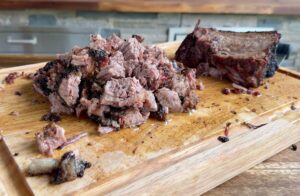
- Slice, chop, or pull. Then serve.

Notes
- Cooking time – The cooking times in this recipe are provided as a guide only. You should always smoke meats to the proper internal temperatures or probe tenderness, NOT to a specific time.
- Leftover brisket point – Freeze leftover brisket point and then reheat for a wide range of recipes, from brisket chili to brisket egg rolls to brisket nachos. We prefer to freeze in vacuum bags and reheat by sous vide method.
- The “long hold” – You should rest your brisket point for at least 1 full hour. However, we prefer a “long hold” method for many large cuts of smoked meat like brisket and pork butt. For this brisket point, I wrapped the whole piece of beef (still in the foil boat) in plastic wrap. Then I placed it in a countertop oven set to 150°F to keep it at a safe temperature for 6-8 hours, or overnight. With the oven set to 150°F, it keeps the brisket out of the temperature danger zone, but it also doesn’t continue to cook. We find that a long hold produces a very tender and juicy brisket.
- For the Texas-style rub – Get our Texas rub recipe here: https://pelletsandpits.com/texas-style-rub-recipe/ – This is our go-to rub for smoked brisket and other types of smoked beef recipes.
Nutrition
Nutrition information is automatically calculated, so should only be used as an approximation.
Pin this now to find it later
Pin It