This post may contain affiliate links. Please see our disclosure policy.
Smoked pulled pork is one of the most prized meats in barbecue, but it can also be one of the most difficult to get right. Learn how to make the best smoked pork butt in this ultimate beginner’s guide, with instructions for seasoning the pork butt, resting (or “holding”) the smoked Boston Butt, and smoking on different types of grills.

Table of Contents
- Decades of Smoking Pork Butts
- Our Modified Foil Boat Method for Pulled Pork
- Different Methods for Making Smoked Pulled Pork – VIDEOS
- The Secret to Juicy Pulled Pork – The Long Hold
- Our Mop Sauce-Style Braising Liquid
- Scoring the Fat Cap or Not?
- Seasoning for Pork Butts
- To Spritz or Not to Spritz
- How to Make Smoked Pork Butt
- Smoked Pork Butt Recipe
Decades of Smoking Pork Butts
We’ve smoked well over a hundred pork butts in the last few decades using every type of grill imaginable, from a standard Weber kettle charcoal grill to six different pellet grills to a ceramic Komodo-style grill and even 100-gallon offset smokers.
In fact, whenever we review a new pellet grill on our grilling and smoking YouTube channel, we like to make a smoked pork butt as the first cook. Not only is a Boston Butt on the more affordable side, but it also takes a long time to smoke, so it’s the perfect way to really put a new grill to the test.
And then there was that time when I catered a wedding and made smoked pulled pork for about 150 people.
So to say that we know a thing or two about smoking pork would be an understatement.
And over the years, we’ve tried tons of different methods in an attempt to nail down what we consider to be the BEST way to make smoked pork butt – everything from wrapping in butcher paper towards the end of the cooking time to the trendy foil boat method to adding a water pan to the smoker.
And while many methods deliver great results, our go-to is a modified foil boat around the time of the “stall”.
But don’t worry – if “foil boat” and “stall” are words not yet in your barbecue vocabulary, I’m about to share everything you need to know about making smoked pork butt for the best pulled pork.

Review of Our Pork Butt Recipe:
Your videos are always awesome! I am doing this recipe a second time due to rave reviews from everyone that ate the pork the first time! I am using the Weber Searwood. Thanks for the share brother!
Our Modified Foil Boat Method for Pulled Pork
The “foil boat” method is an up-and-coming technique for smoking large cuts of meat like pork butt, pork shoulder, or brisket.

Having gained popularity in recent years thanks to YouTube pit masters, the foil boat method involves wrapping the bottom half of a smoked pork butt with aluminum foil to create a type of “boat” shape.
The purpose of the foil boat is to protect the pork from drying out, keeping all of those delicious juices from just running into your smoker, while also allowing the top fat cap to render.
Our modified foil boat replaces the aluminum foil sheets with a disposable aluminum foil pan. And since we use a pan, we also take advantage of the opportunity to add extra moisture and flavor with a mop sauce of sorts added straight to the foil pan.

Chef’s Tip: If you go with the regular foil boat method and wrap the bottom half of the smoked pork butt in foil after it reaches about 170°F, then be sure that you use multiple layers of foil and the butt is securely wrapped. For one cook, I lost all of my delicious drippings because the sheet of aluminum foil got snagged on the grill grate as I was taking the pork off the grill.
Different Methods for Making Smoked Pulled Pork – VIDEOS
As I mentioned earlier, there are a ton of ways to make smoked pulled pork. Here are a few of our YouTube videos that showcase cooking pork butts on different types of grills using different methods:
- Smoked Pulled Pork on a Traeger Pellet Grill – This Boston Butt was smoked on a Traeger Ironwood XL, but the process works the same for any pellet grill.
- Smoked Pork Butt on a Ceramic Grill – This was the first pork butt that I ever smoked on a ceramic grill, and I nailed it! Even after hearing that a Komado ceramic grill is difficult to keep at a low temperature.
- Smoked Pork Butt on a Weber Kettle – This video showcases my “lazy man snake” charcoal method – my preferred way to set up my kettle style charcoal grill for low and slow cooking.
- Our Go-To Method for Smoked Pork Butt (Modified Foil Boat Method) – This video shows the modified foil boat in action, on both a pellet grill and a Weber charcoal grill.
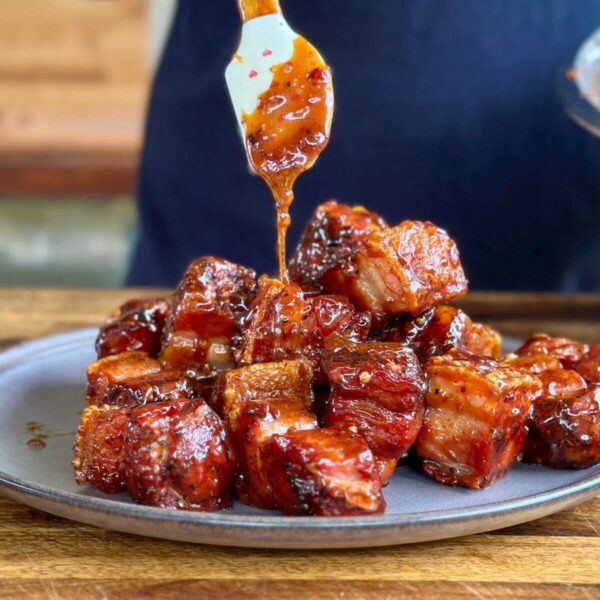
*If you don’t have 12+ hours to smoke a whole pork butt, then you can also try these smoked pork butt burnt ends – they cook up much quicker than a pork butt with a similar taste and texture to traditional burnt ends.
The Secret to Juicy Pulled Pork – The Long Hold
Just a few months ago, we made one of the absolute BEST pork butts on the smoker that we have ever made – this particular butt happened to be smoked on the Primo Ceramic Grill, but the actual grill or smoker doesn’t really matter. What made this smoked pork butt stand out above all the rest was the long hold.

A “long hold” (sometimes called a “hot hold”) in barbecue terms refers to letting a large piece of smoked meat rest for a long period of time, while maintaining a safe internal temperature. With the proper heating equipment, you can hold the meat for 6-18 hours, or even go for as long as 24 hours. *If doing an overnight hold, I recommend pulling the pork butt off the grill at 195-198°F internal temperature.
A popular method for holding (or resting) smoked pork butt if you’re doing a long hold is with a cooler. For the cooler hold, wrap the pork butt tightly in aluminum foil, then wrap in a towel before placing in an insulated cooler. You can also microwave a damp towel to create steam and help keep the temperature up.
I’m not a scientist, so I can’t speak to what the long resting time does to the connective tissue and fat in the meat. But what I do know is that the long hold makes the pulled pork more tender, more juicy, and overall more delicious, in my experience.
Even if you don’t do a longer resting time, at least try to rest your smoked pork butt for 2-3 hours for the juiciest pulled pork possible. *TIP – If you go with a shorter resting time of 2 hours or so, be sure to cook the pork butt to a higher internal temperature of about 200-203°F, when the meat probes like softened butter.
*Temperature Danger Zone – When resting any smoked meat, be sure that you don’t let the internal temperature fall below 140°F. The temperature danger zone is 41°F – 140°F (this range may vary slightly by state). When meat is that internal temp, then bacteria is more likely to grow. That’s why I always rest or hold my meats with the wireless meat thermometer still inserted so that I can continue to monitor the temp.
Our Mop Sauce-Style Braising Liquid
Our favorite smoked pork butt recipe combines the traditional smoking with a braising step – or semi-braising since the butt isn’t completely covered with the liquid. Here are the ingredients for the mop sauce-style braising liquid that makes our Modified Foil Boat method shine:

- butter
- Worcestershire sauce
- lemon juice
- BBQ seasoning – We used our own ‘Que That Rub and Seasoning, a great blend of sweet and hickory notes.
- yellow mustard
- hot sauce – I prefer a spicy vinegar-based sauce. You only need a few dashes, and you can definitely omit this.
- BBQ sauce – If using vinegar-based BBQ sauce, then you can skip the additional apple cider vinegar.
- apple cider vinegar
- apple juice
Scoring the Fat Cap or Not?
Scoring the fat cap is optional – I’ve smoked pork butts without scoring the thick area of fat on the top and they have come out just as tasty as the ones that I have cooked with the cap scored.
The main benefit of scoring the fat cap is that it gives a prettier presentation in the end with a nice diamond pattern in the bark. If you don’t score the fat cap, then you’re more likely to get areas where the bark will split where the fat has shrunk up as it renders. That’s what happened with mine in the photo below.
Seasoning for Pork Butts
For a classic Texas barbecue-style pork butt, the seasonings are simple. We use a homemade blend of coarse black pepper, Diamond Crystal kosher salt, granulated garlic, and Lawry’s seasoned salt. If you’re familiar with smoking other meats, then you probably have these staples already in your spice cabinet.
You can find the full recipe for our Texas-style rub here.

For this particular butt, we also added a layer of our ‘Que That Barbecue Rub on top of the Texas rub for added flavor. You can substitute your favorite BBQ seasoning or just stick with the homemade Texas rub. Either way, your pork butt will be fantastic!
And remember, a pork butt is a very large piece of meat so it can handle quite a bit of seasoning. A good rule of thumb is that if the seasoning is still sticking as you sprinkle it on the butt, then keep going.
To Spritz or Not to Spritz
The main argument for spritzing your pork butt, or any smoked meat for that matter, is that the added moisture helps the smoke to adhere to the meat giving you more smoky flavor. The science behind it shows that smoke sticks to the moist meat more than to meats with a drier exterior.
After cooking tons of pork butts with and without spritzing, I’m a firm believer in spritzing your pork as it smokes on the grill, but only if you follow these guidelines:

- Only start spritzing after the first 3-4 hours. You need time to let the seasoning and bark start to set before adding mositure.
- Don’t spritz the fat cap, only around the sides of the pork butt. This helps the fat to render.
- I always spritz with either apple cider vinegar, or a 50/50 blend of apple juice concentrate and apple cider vinegar.
*Spritzing Tip – Screw a spray bottle nozzle directly on to a small bottle of apple cider vinegar (most store bottles will fit a spray nozzle), and use that as your dedicated spritzing bottle. You can even store it in your cabinet with your grilling rubs. No need to prep a spray bottle for each cook, and no extra dishes to wash.
How to Make Smoked Pork Butt
Whether you cook your Boston Butt on a charcoal grill, a pellet grill, or a different smoker, the process and the target temperatures are the same. Just follow these steps:
Step 1: Preheat the grill to 250°F. Heat your pellet grill or smoker to 250°F with your choice of wood pellets. We prefer the smoke flavor from Smokin’ Pecan pellets which are made from pecan shells, or hickory pellets which give the pork a more robust, smokier flavor than the lighter fruitwoods.
Step 2: Season the pork butt. While the smoker is heating up, prep the pork butt so the seasoning has a chance to “sweat in”. Remove the butt from the package. I don’t pat the meat dry with paper towels, because I don’t always use a binder. However, if you choose to add a thin layer of yellow mustard as a binder, then be sure to pat dry with paper towels first.
Then, score the top fat cap if you want to (remember, it’s not necessary), and season liberally on all sides.

Step 3: Smoke the pork butt. Place the butt directly on the grill grates, close the grill lid, and smoke your pork butt at 250°F until the internal temperature reaches about 170°F. Depending on the heating capabilities of your grill and the size of your pork butt, expect for it to take anywhere from 6-8 hours to get to that internal temperature.
After the first 3 hours of smoking time, start spritzing the butt every 60-90 minutes with apple cider vinegar.
Step 4: Prepare the foil pan for braising. When the pork butt is almost at 170°F, make the braising liquid in a half-size deep aluminum foil pan, mixing well so that all ingredients are combined.

Step 5: Add the smoked pork butt to the foil pan. Nestle the smoked pork butt in the foil pan. The meat’s bottom half will braise in the sauce while the top stays exposed to smoke, so you can still get that great bark – the best of both worlds!
Return the pork boat to your smoker or grill, and continue to smoke uncovered at 275°F until the internal temp hits 198–203°F and probes like a softened stick of butter. *If you’re doing a longer hold (rest) time of 6+ hours, then only cook the butt to about 195-198°F.

Step 7: Separate the fat from the braising liquid. Once the smoked pork butt reaches the proper internal temperature, remove the foil pan from the smoker. Pour the juices from the foil pan into a deep bowl. Allow the liquid to cool completely. As it cools, the fat will rise to the top.
When it’s cooled completely, use a spoon to skim the fat off the top of the juices. Discard the fat, and keep the remaining pan juices to add to the pulled pork later.
Step 6: Let the smoked pork butt rest. After removing the braising liquid, wrap the foil pan with the pork in aluminum foil, and rest on the counter for a minimum of 1-2 hours, or until the internal temperature of the meat drops to about 150°F.
This is my go-to method for resting large cuts of meat, if I’m not going to do a longer hold. I always rest my meat with the wireless meat thermometer still inserted to continue to monitor the temperature.

Step 8: Pull the smoked pork and add back in the pan sauce. Once the pork has fully rested, pull out the large bone. As long as your pork butt is tender enough, the bone should slide right out.
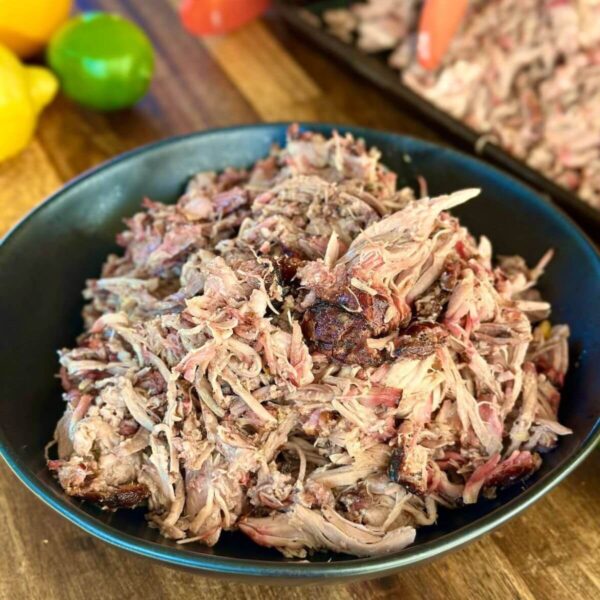
Then grab your BBQ gloves (and the heat-proof liners if you have them) and shred the meat with your hands or two forks. When the pork is pulled to your desired size, add the reserved braising liquid a few tablespoons at a time, tossing to coat the pulled pork evenly. Add as much as you like.
*NOTE – You may need to microwave the braising liquid a bit to reheat it before adding it to the pork.

You can also sprinkle about 1-2 tablespoons of your barbecue seasoning in with the pulled pork and pan juices for extra flavor.
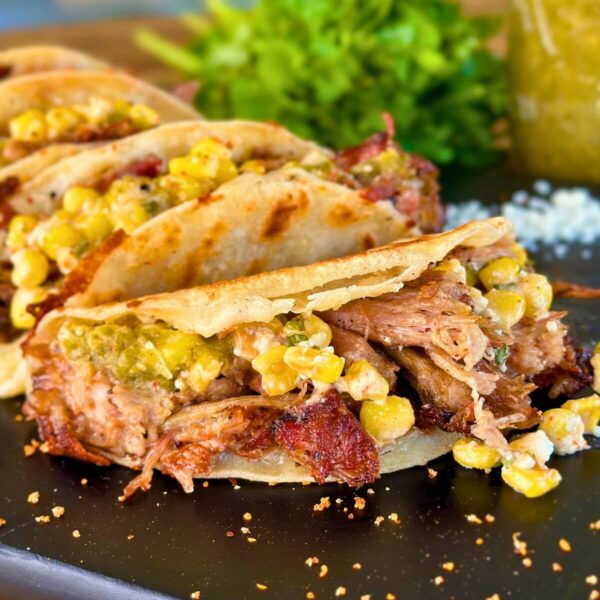
Then serve your pulled pork immediately for sandwiches, BBQ tacos, burritos, or just on a plate with your favorite barbecue sauce and side dishes, like these brisket baked beans or smoked potato salad!
*PRO TIP – If you’re serving your pork for pulled pork sandwiches, grab a bottle of Arby’s Horsey Sauce from the grocery store. It’s fantastic as a topping for your smoked pulled pork, along with a drizzle of your favorite barbecue sauce!
Short answer – a lot longer than you think! Long answer – There are a lot of variables that go in to estimating the cooking time.
The size of the Boston butt, whether it’s bone-in or boneless, the heating capabilities of your grill or smoker, what temperature you smoke it at – all of these things effect how long it takes to smoke a pork butt.
Plan on about 1 – 1.5 hours per pound of meat for smoking at 250°F. For reference, my pork butt was about 11 pounds and took about 11 hours to smoke, but I bumped up the grill temperature to 275°F once the internal temperature hit 170°F.
The longer, the better – as long as you have the proper equipment to keep the internal temperature of the meat out of the danger zone (41°F – 140°F). I recommend at least 2-3 hours minimum, which you should be able to do just by wrapping the butt in aluminum foil.
The best pork butts that we’ve ever made have been rested overnight, or at least 10 hours. We have a Breville countertop toaster oven that goes as low as 145°F and will stay on for 24+ hours straight, so we often rest the butt in that. You can also wrap the pork butt tightly in aluminum foil, then cover it with a towel, and place it in an insulated cooler for a longer rest period (about 6-8 hours).
*I ALWAYS recommend resting your smoked meats with the wireless meat thermometer still in place, so that you can continue to monitor the internal temp of the meat.
We’ve smoked Boston Butts with and without a binder – and we really can’t tell the difference between the two. If you want to add a binder, we recommend a thin layer of yellow mustard or Worcestershire sauce. If you don’t add a binder, then don’t pat the pork butt dry with paper towels before adding the seasoning – the excess moisture will help the seasoning stick without the need for a binder.
It depends on what sides you’re serving, and if you’re serving the pork as is or on a sandwich. Plan on about 2-3 servings per pound of pulled pork.

Smoked Pork Butt
Ingredients
- 8-10 lb bone-in pork butt, sometimes called a Boston Butt
- ¼ cup Texas-style rub recipe
- 1-2 tablespoons 'Que That Barbecue Rub, optional
For the Braising Liquid:
- ⅓ cup apple juice
- 2 tablespoons apple cider vinegar
- 2 tablespoons butter
- 1 tablespoon yellow mustard
- 1 tablespoon 'Que That Barbecue Rub, or your favorite barbecue seasoning
- 1 teaspoon Worcestershire sauce
- juice of ½ lemon
Instructions
- Season the pork – Season all sides of the pork butt liberally with the Texas-style rub. Allow the seasoning to sweat in to the meat for about 20 minutes while the grill heats up.
- Prep the grill and spritz bottle – Heat grill or smoker to 250℉ with your choice of wood or pellets. Prepare a spritzing bottle by adding apple cider vinegar to a food-safe spray bottle. See notes.
- Smoke the pork butt until 170℉ – Place the seasoned pork butt directly on the grill grates, fat cap up, and smoke until the internal temperature reaches about 170℉. After the first 3 hours on the smoker, begin spritzing the sides of the pork butt with apple cider vinegar. See notes.
- Prepare the braising liquid – When the pork butt is a few degrees shy of 170℉, prepare the braising liquid. Add all ingredients to a half-size deep aluminum foil pan and mix together briefly.
- Continue to smoke the butt in the foil pan – When the smoked pork reaches about 170℉, transfer the pork to the foil pan with the braising liquid. Return to the smoker, and continue to smoke uncovered at 275°F until the internal temp hits 198–203°F and probes like a softened stick of butter. See notes on internal temperature.
- Skim the fat from the pan juices – Once the pork butt reaches the proper temp, remove from the grill. Remove the butt from the pan and set aside. Then carefully pour the juices from the foil pan into a deep bowl or glass measuring cup. Allow the juices to cool while the pork butt rests – the fat will rise to the top of the liquid. When cooled completely, use a spoon to remove the layer of fat from the juices. Discard the fat, and set the braising juices aside.
- Rest the smoked pork butt – After removing the braising liquid, return the butt to the foil pan. Wrap the foil pan with the pork in aluminum foil, and rest on the counter for 2-3 hours, or until the internal temperature of the meat drops to about 150°F. See notes on resting.
- Shred and serve – Once the pork has fully rested, shred and pull the meat with your hands or two forks. Then add the reserved braising liquid, a few tablespoons at a time, and toss to coat the pulled pork evenly. You may need to reheat the liquid in the microwave first. Continue adding the reserved liquid to desired taste. Serve immediately and enjoy!
Video
Notes
- Spritzing tip – Screw a spray bottle nozzle directly on to a small bottle of apple cider vinegar (most store bottles will fit a spray nozzle), and use that as your dedicated spritzing bottle. You can even store it in your cabinet with your grilling rubs. No need to prep a spray bottle for each cook, and no extra dishes to wash.
- Resting the smoked pork butt – Before pulling, the pork butt needs to rest for quite some time. In my experience, the longer rest time, the more tender and juicy the pulled pork. You can wrap the pork butt in aluminum foil, then wrap in a towel, and hold the butt in an insulated cooler until the internal temperature drops to 145°F for a longer hold period. *Do NOT let the internal temperature drop below 140°F, as that is the danger zone.
- Internal temperature for pork butt -If you’re going to do a longer hold time (6+ hours), then I recommend only cooking the pork butt to an internal temperature of about 195-198°F. For a shorter resting time, cook the butt to 203-205°F, or until the butt feels like softened butter when you insert a probe thermometer.
- Cooking times – Cooking times can vary drastically based on the size of your pork shoulder and the heating capabilities of your grill or smoker. Expect to smoke your pork for anywhere from 14-20 hours. I have smoked many pork butts that take about 18 hours in total of smoking time.
- For the Texas-style rub – This is our go-to rub recipe for all types of smoked meats. It’s a great all-purpose, classic Texas BBQ rub. Get the recipe here: https://pelletsandpits.com/texas-style-rub-recipe/
Pinterest User? Do us a favor and PIN this to your board for smoker recipes! This is a GREAT way to support us!